The Only Guide for Hair Transplantation in Women: A Practical New


Gulf Coast Hair Restoration: New Orleans Hair Restoration Fundamentals Explained
What is the distinction in between female and male pattern hair loss? Androgenic alopecia is the kind of loss of hair that impacts males and ladies. It is triggered by a genetic predisposition to the hormonal agent Dihydrotestosterone (DHT). When DHT levels increase, the hair roots shrivel and hair growth lessens. However, men and ladies usually have different reactions to DHT and thus various patterns of hair loss.
If left without treatment, loss of hair can advance to baldness due to the eventual death of hair follicles in these regions of the scalp. For a lot of males, the side and back of the head are less impacted by DHT. On the other hand, female pattern hair loss starts with thinning hair throughout the main location of the scalp and advances outside if not treated.
__large.jpg)
Just a small number of females will experience widespread baldness. What medical conditions cause loss of hair? There are a number of medical conditions or illness that cause hair loss in both males and females. These include: thyroid illness, anemia, lupus, protein deficiency, polycystic ovary syndrome and low vitamin levels. How is loss of hair managed clinically? Although hair transplant surgery is the most permanent and effective medical treatment for loss of hair, there are also ways to medically manage loss of hair without surgery.
ARTAS Robotic Hair Restoration - DrRobert Houser - The Facts
Loss of hair can also be dealt with by handling an underlying median condition in some clients. Dr. Stong will thoroughly listen to your treatment goals and assess your hair loss condition prior to advising the most efficient surgical or non-surgical treatment options that are readily available to you. It is essential to understand that numerous hair loss treatments require continuous upkeep treatment for enduring results.
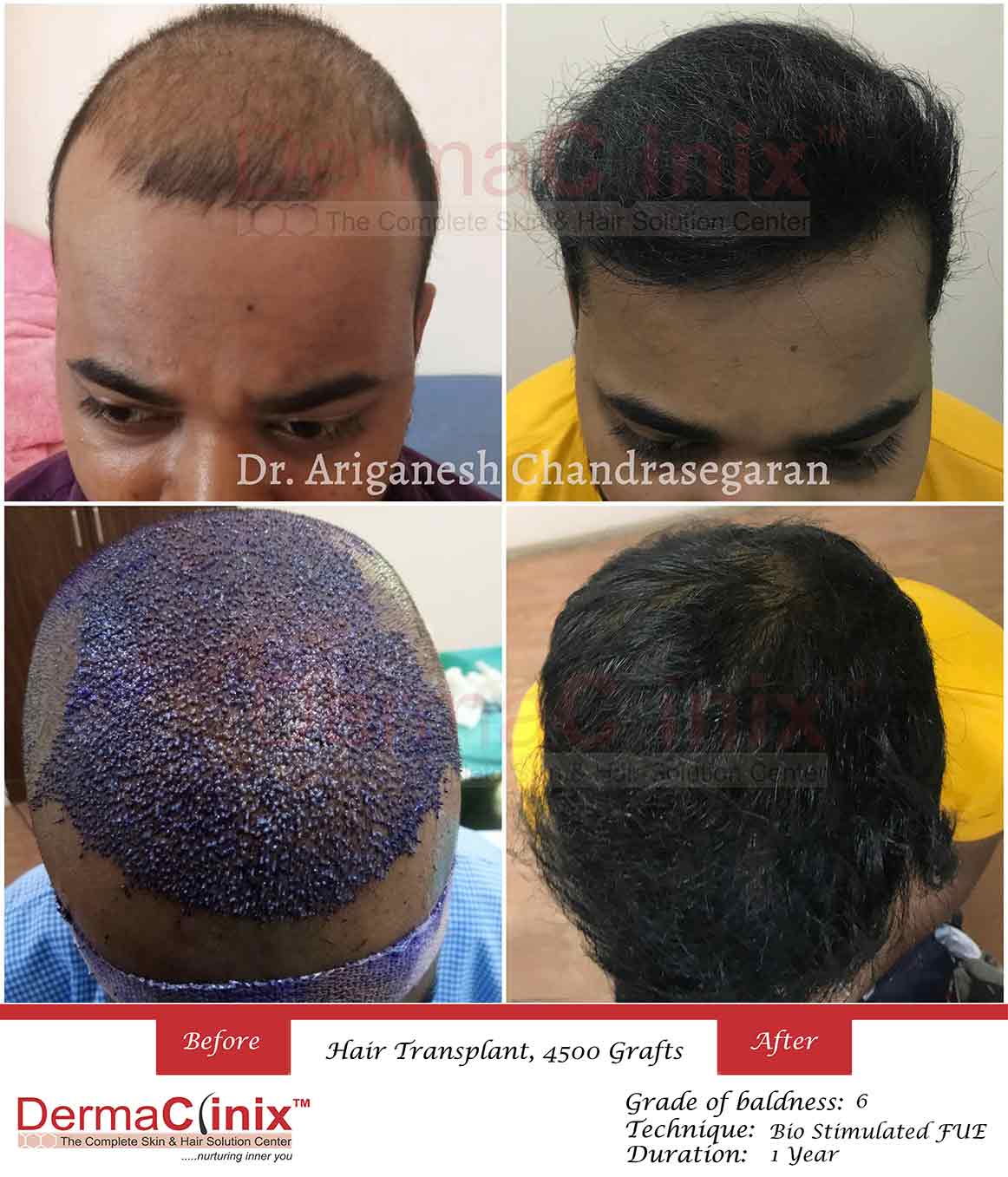
Hair Transplant in India
It was originally developed as an antihypertensive medication. Minoxidil does not work for everyone, but it can stop the development of male pattern balding and promote brand-new hair growth in some individuals. This Is Noteworthy of non-surgical loss of hair treatment is best for more youthful patients who have the beginning signs of loss of hair.
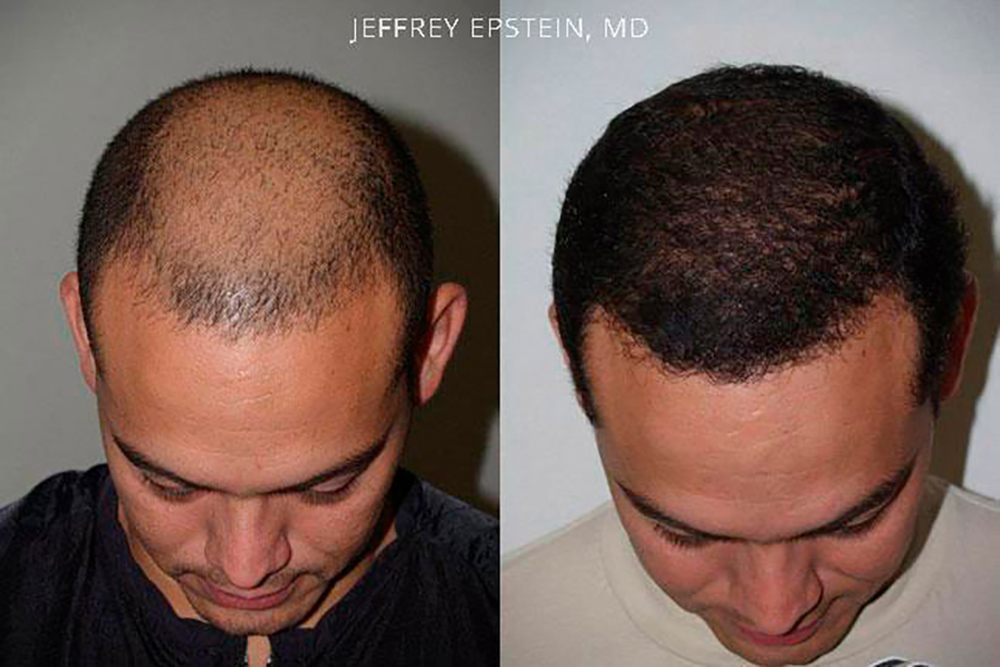
How Many Hair Grafts Will I Need for My Hair Transplant Procedure?
Unfortunately, A U.S. Fda (FDA) analysis of adverse event data exposed prevalent reports of male sexual dysfunction as a negative effects of otherwise healthy Propecia users ages 21 to 46. Beyond its sexual adverse effects, in a very little number of clients the sexual negative effects can be permanent.